
 Image 1 of 1
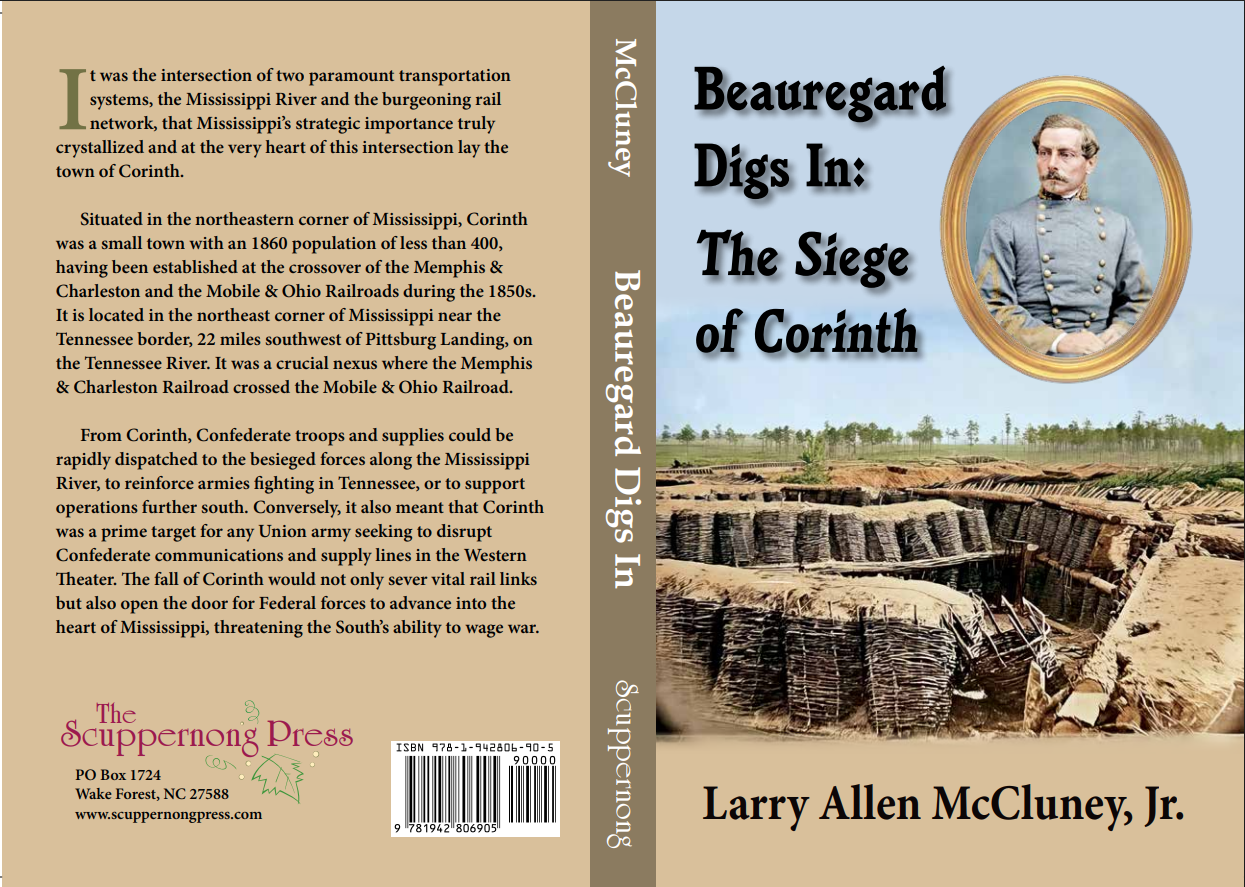
I t was the intersection of two paramount transportation systems, the Mississippi River and the burgeoning rail network, that Mississippi’s strategic importance truly crystallized and at the very heart of this intersection lay the town of Corinth.
Situated in the northeastern corner of Mississippi, Corinth was a small town with an 1860 population of less than 400, having been established at the crossover of the Memphis & Charleston and the Mobile & Ohio Railroads during the 1850s. It is located in the northeast corner of Mississippi near the Tennessee border, 22 miles southwest of Pittsburg Landing, on the Tennessee River. It was a crucial nexus where the Memphis & Charleston Railroad crossed the Mobile & Ohio Railroad.
From Corinth, Confederate troops and supplies could be rapidly dispatched to the besieged forces along the Mississippi River, to reinforce armies fighting in Tennessee, or to support operations further south. Conversely, it also meant that Corinth was a prime target for any Union army seeking to disrupt Confederate communications and supply lines in the Western Theater. The fall of Corinth would not only sever vital rail links but also open the door for Federal forces to advance into the heart of Mississippi, threatening the South’s ability to wage war.